Industrial Wooden Packaging | Safe Cargo Transportation Guide
Transporting industrial equipment is very different from shipping ordinary commercial products. Heavy machinery, engineering components, electrical equipment, automobile parts, generators, and other industrial goods often require strong and carefully designed packaging to withstand handling and transportation conditions.
This is where industrial wooden packaging becomes an important part of the logistics process.
A properly designed wooden packaging solution does more than simply cover a product. It can help stabilize the cargo, support its weight, simplify handling, and provide protection against common transportation risks such as impact, vibration, dust, and environmental exposure.
For businesses dealing with valuable machinery and industrial equipment, choosing the right wooden packaging solution can make a significant difference in the overall safety of a shipment.
What Is Industrial Wooden Packaging?
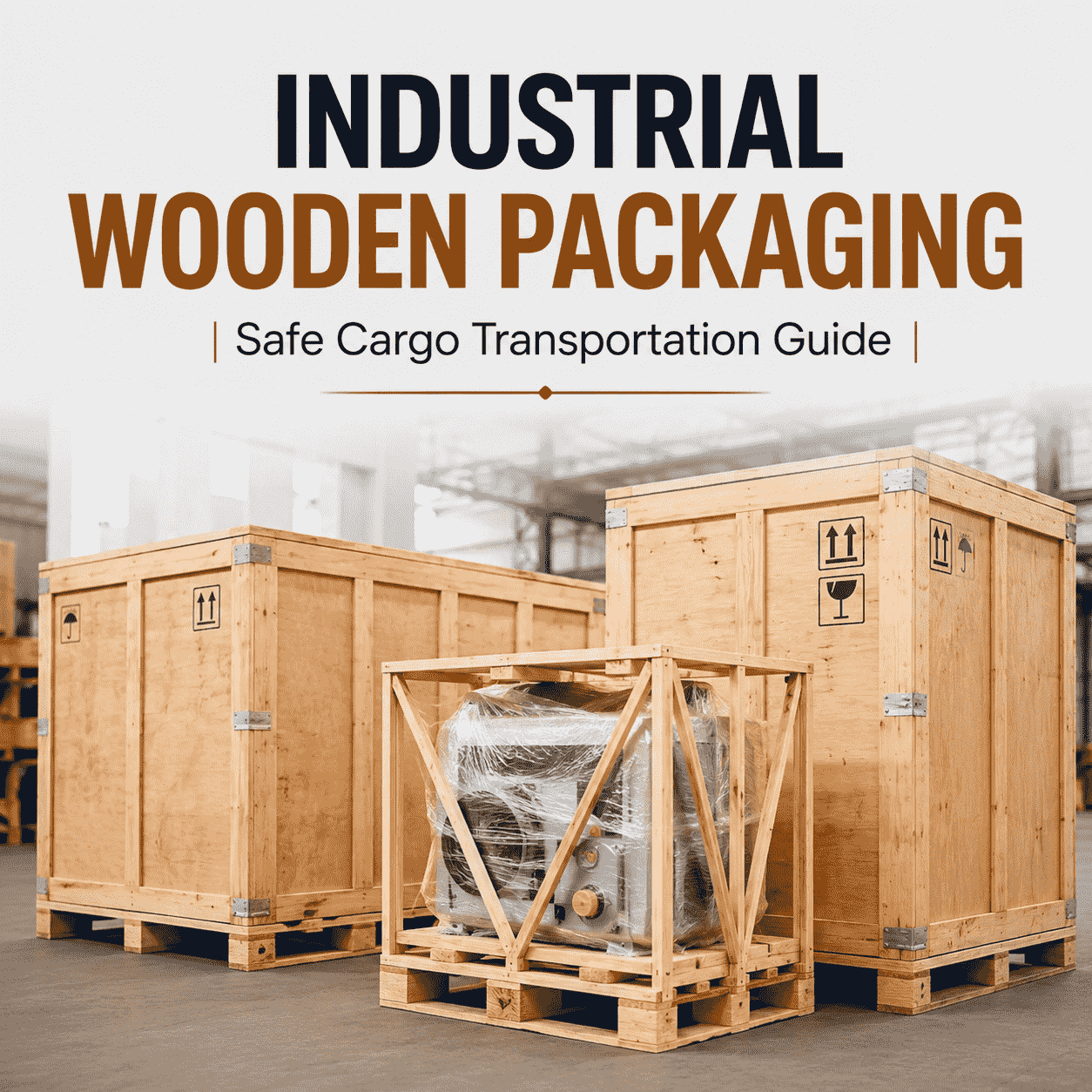
Industrial wooden packaging refers to packaging structures manufactured from timber or other suitable wood-based materials for protecting and transporting industrial products.
Depending on the product, packaging can include:
- Wooden packing boxes
- Industrial wooden crates
- Export wooden crates
- Heavy-duty wooden boxes
- Wooden pallets
- Custom wooden packaging
- Internal packing and cushioning
- Container securing arrangements
The design of the packaging should ideally be based on the product's dimensions, weight, shape, fragility, handling requirements, and transportation method.
Why Is Wooden Packaging Important for Industrial Products?
Industrial equipment can be expensive, heavy, oversized, or mechanically sensitive. During transportation, the cargo may experience repeated handling, road vibration, loading and unloading operations, and movement inside a vehicle or shipping container.
A suitable industrial packaging solution can help address these challenges.
1. Strong Structural Support
Wooden packaging can provide a rigid external structure around heavy products. This is particularly useful for machinery and equipment that cannot be safely transported using lightweight packaging materials.
2. Customized Dimensions
Industrial products rarely come in standard sizes. Custom wooden crates and boxes can be manufactured according to the dimensions and configuration of the cargo.
3. Better Handling
Well-designed wooden packaging can incorporate suitable provisions for forklift handling, lifting, loading, and unloading.
4. Improved Cargo Stability
Properly planned packaging can help reduce unwanted movement of the product during transportation.
5. Flexible Applications
Wooden packaging can be used for domestic transportation as well as export shipments, depending on the packaging design and applicable requirements.
Wooden Crates for Heavy and Oversized Products
Industrial wooden crates are commonly used for large, heavy, and oversized products.
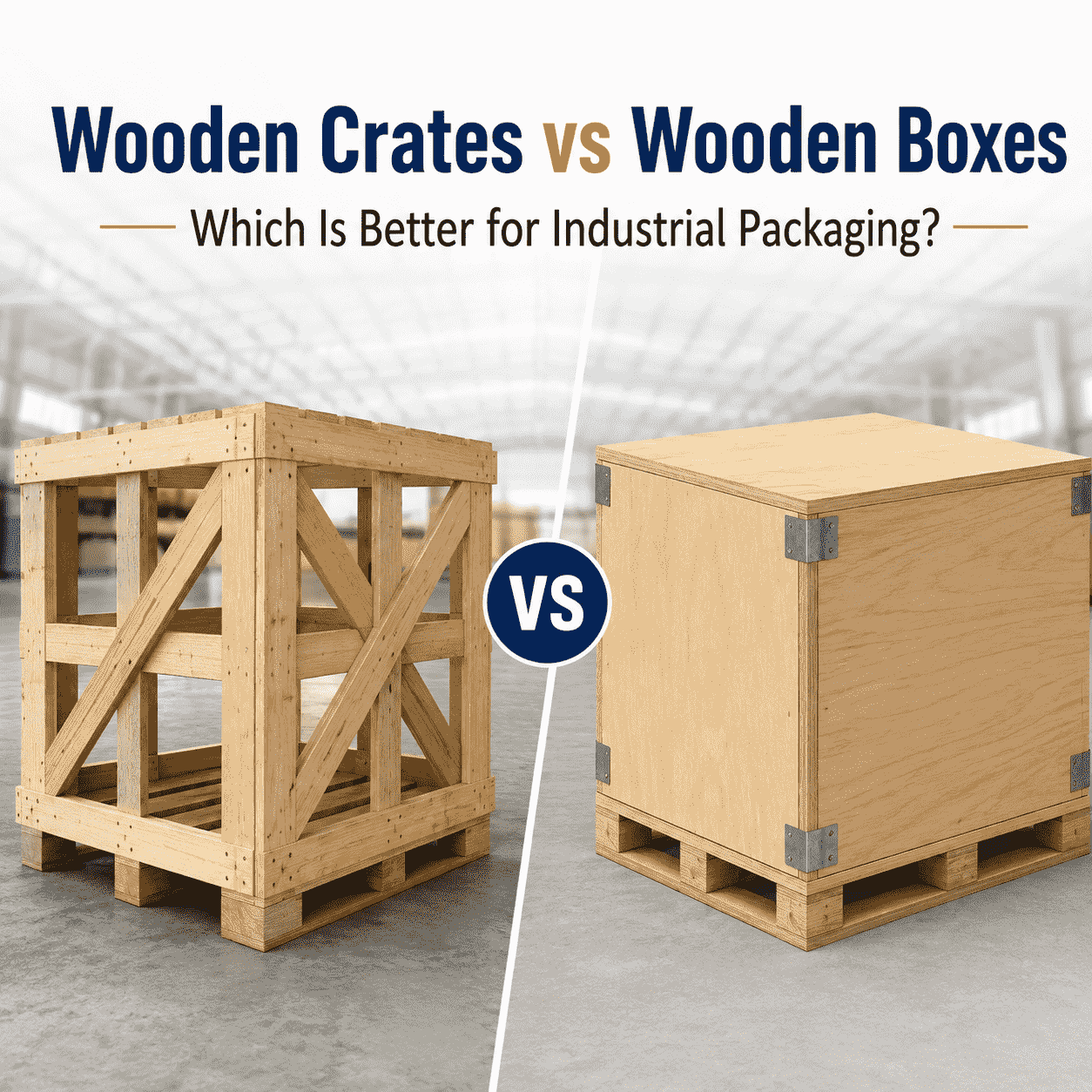
An open-frame crate can provide structural support while still allowing ventilation and easier inspection of the packaged equipment. Impact Wood Packers describes its wooden crates as solutions for machinery, engineering equipment, automobile parts, electrical equipment, generators, and industrial components.
Common applications include:
- Heavy machinery
- Engineering equipment
- Generators
- Automobile components
- Electrical equipment
- Industrial machinery
- Mechanical components
Because the dimensions and load requirements can vary considerably, custom wooden crates are often more appropriate than standard-size packaging.
Wooden Packing Boxes for Industrial Goods
Wooden packing boxes provide an enclosed packaging structure and can be useful when the product needs greater separation from the external environment.
Depending on the application, a wooden box may be combined with internal packing materials to create additional protection around sensitive components.
A customized wooden box can be designed around:
- Product dimensions
- Product weight
- Fragile sections
- Lifting requirements
- Transportation method
- Storage requirements
- Internal protection needs
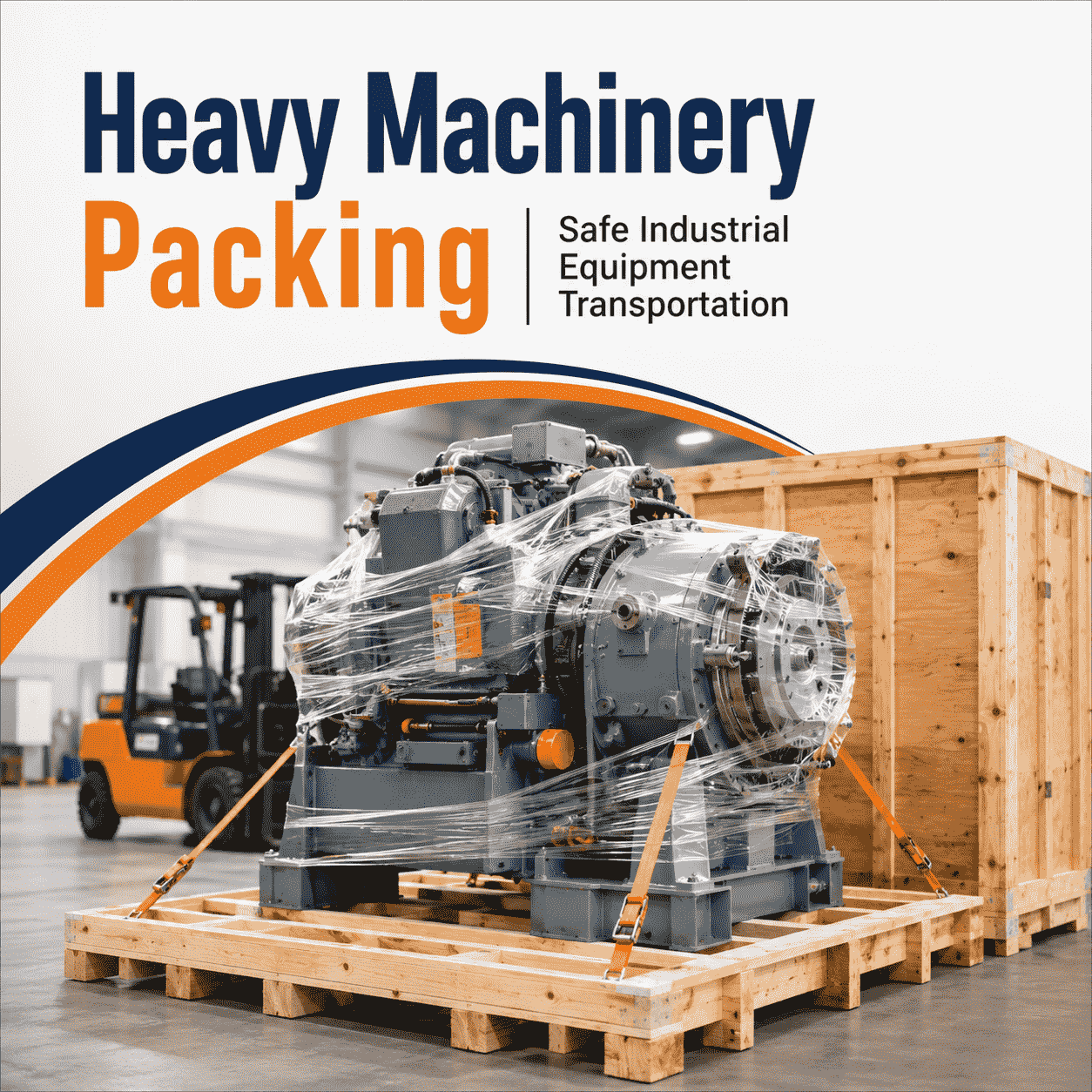
Custom Wooden Packaging for Machinery
One of the biggest advantages of industrial wooden packaging is customization.
A packaging manufacturer can evaluate the cargo before designing the packaging structure. Important factors may include the machine's overall dimensions, weight distribution, centre of gravity, lifting points, and sensitive components.
This approach can help create packaging that fits the cargo rather than forcing the cargo into a generic packaging format.
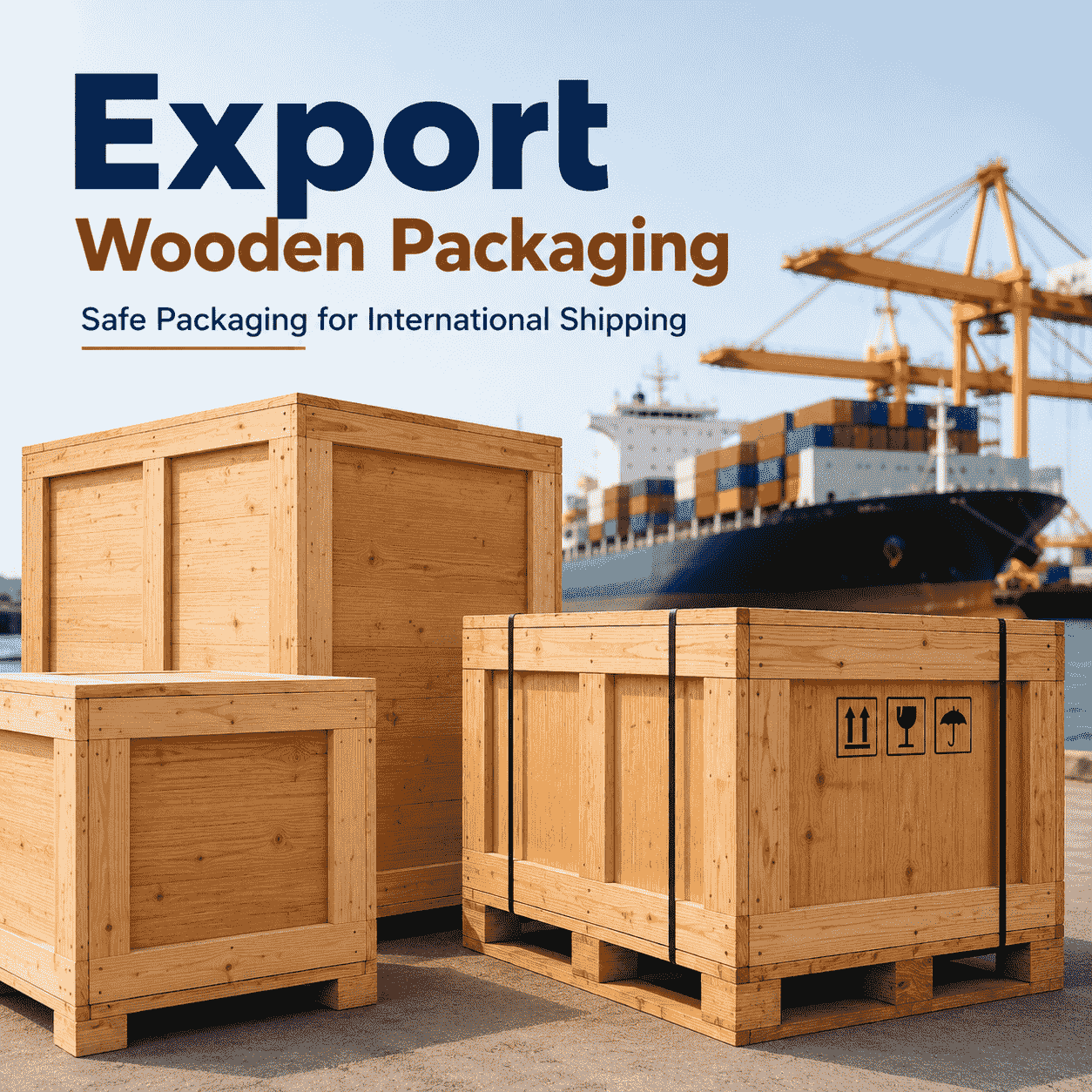
Export Wooden Packaging
International shipments require additional consideration because cargo may pass through several stages before reaching the final destination.
A typical export shipment can involve:
Factory → Local Transportation → Warehouse → Port → Container → Sea Freight → Destination Port → Final Transportation
At every stage, the packaging may be exposed to handling and environmental conditions.
Therefore, export wooden packaging should be planned according to the product, transportation route, destination requirements, and applicable packaging regulations.
For export shipments, applicable wood-packaging treatment requirements such as ISPM 15 should also be considered.
Additional Protection for Sensitive Products
Wooden packaging can be combined with other industrial packing techniques when additional protection is required.
For example, vacuum packing can be used to help protect products from moisture, dust, corrosion, and environmental exposure. VCI packing can also be used for suitable metal components where corrosion protection is required. Impact Wood Packers lists both vacuum packing and VCI packing among its packaging services.
Industries That Use Industrial Wooden Packaging
Industrial wooden packaging can be relevant across multiple sectors, including:
- Engineering
- Automotive
- Manufacturing
- Heavy machinery
- Electrical equipment
- Pharmaceuticals
- Industrial equipment
- Export businesses
- Logistics
The right packaging design depends on the product and its transportation requirements.
How to Select the Right Wooden Packaging Solution
Before choosing a packaging type, consider the following:
Product Weight
Heavy products require packaging with adequate structural strength and suitable load-bearing capabilities.
Product Dimensions
Large or irregular products may require customized crates or boxes.
Transportation Method
Road, rail, air, and sea transportation can involve different packaging requirements.
Environmental Exposure
Moisture-sensitive or corrosion-sensitive products may require additional protective measures.
Handling Requirements
Forklift entry, lifting points, loading methods, and unloading procedures should be considered during packaging design.
Export Requirements
For international shipments, applicable destination and wood-packaging regulations should be reviewed.
Why Professional Industrial Packaging Matters
Professional packaging is not simply about putting a product inside a wooden box.
It involves understanding the cargo, selecting appropriate materials, designing the structure, securing the product, and considering the entire transportation journey.
For high-value industrial equipment, a well-planned packaging solution can contribute to safer handling and more reliable transportation.
Conclusion
Industrial wooden packaging plays an important role in the transportation of heavy machinery, engineering equipment, electrical products, automobile components, and other industrial cargo.
From custom wooden crates and wooden packing boxes to export packaging, vacuum packing, VCI protection, and cargo securing, different packaging techniques can be combined according to the needs of the shipment.
Businesses transporting valuable industrial products should evaluate the product, transportation method, handling requirements, and destination conditions before selecting their packaging solution.
A customized approach can provide a more practical and reliable packaging system for demanding industrial transportation requirements.