Export Wooden Packaging | Safe Packaging for International Shipping
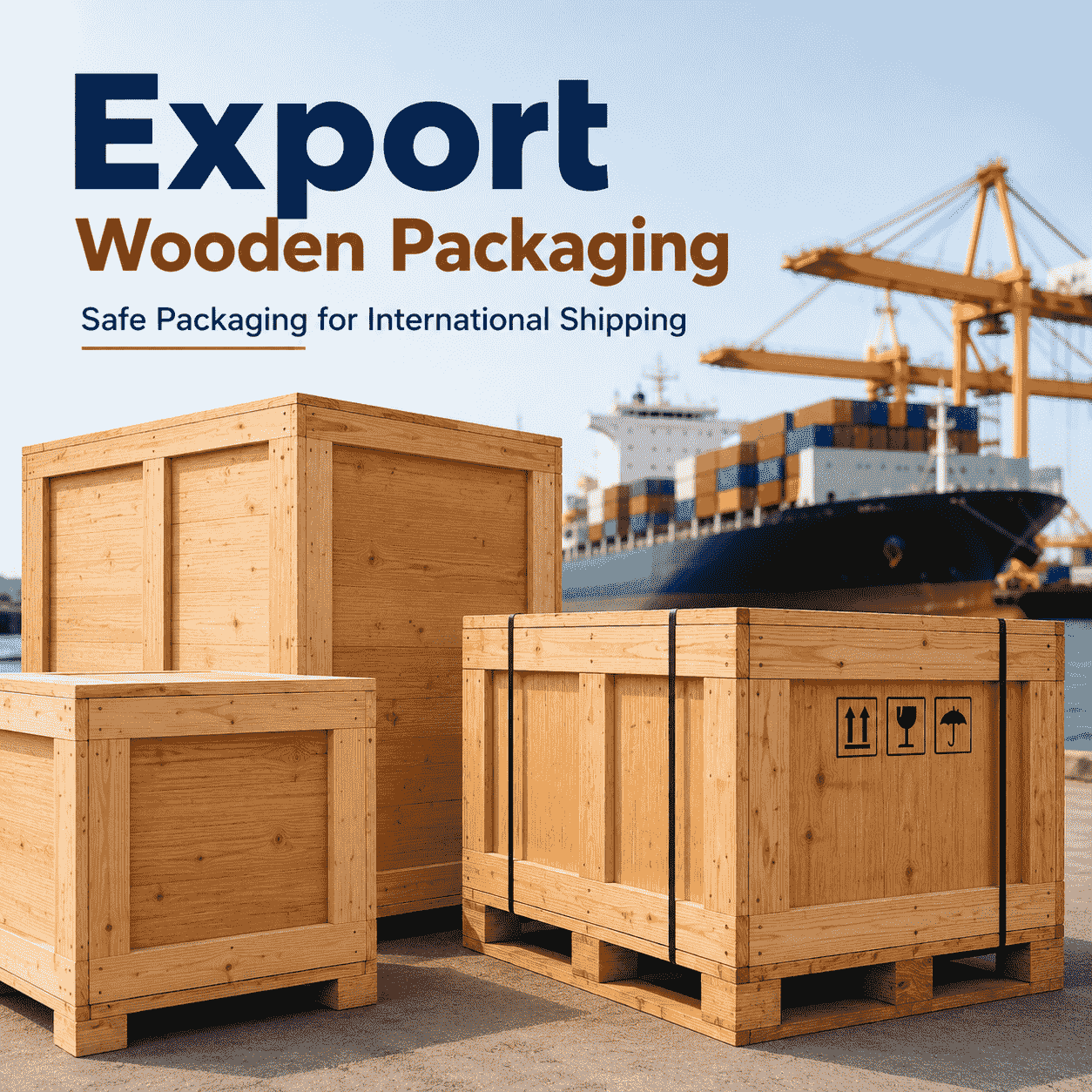
International shipping involves much more than moving a product from one country to another. Industrial machinery, engineering equipment, electrical components, automobile parts, generators, and other valuable goods may pass through multiple stages before reaching their final destination. During this journey, cargo can experience loading, unloading, road transportation, warehouse storage, port handling, container movement, and long-distance sea transportation.
This makes export wooden packaging an important part of international logistics.
A properly designed export packaging system can help protect industrial products, improve cargo stability, simplify handling, and reduce the possibility of transportation-related damage. From custom wooden crates and wooden boxes to vacuum packing, VCI protection, and container securing, different packaging methods can be selected according to the nature of the cargo and its transportation requirements.
What Is Export Wooden Packaging?
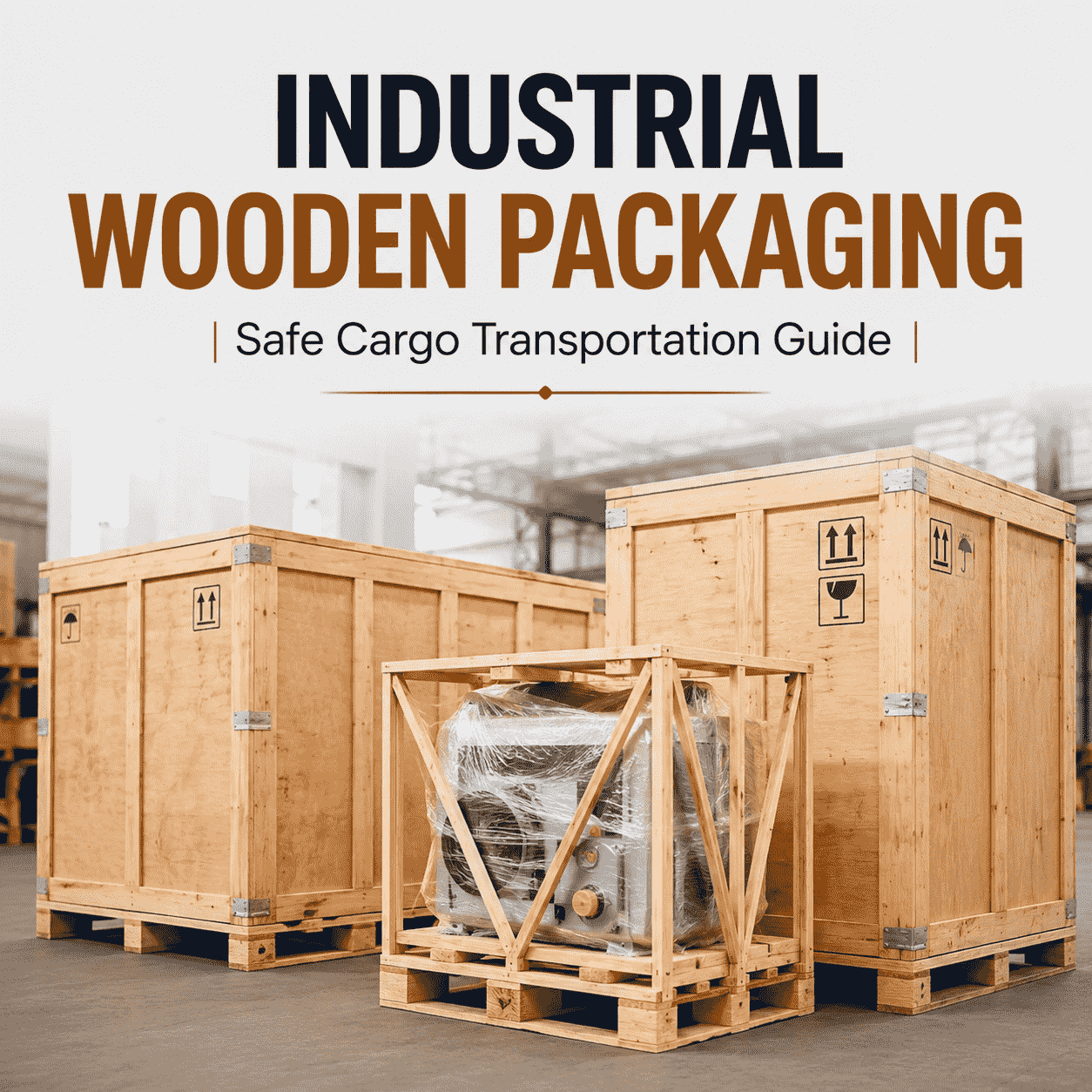
Export wooden packaging refers to wooden crates, wooden boxes, pallets, and other timber-based protective structures used to prepare products for international transportation. Unlike ordinary packaging, export packaging needs to consider the complete journey of the shipment.
The packaging design may depend on:
- Product dimensions
- Product weight
- Product shape
- Fragility
- Transportation method
- Handling requirements
- Container specifications
- Storage conditions
- Environmental exposure
- Destination requirements
A professional export packaging solution is therefore developed around the product rather than relying on a standard-size packaging structure.
Why Is Export Packaging Important?
Industrial cargo can travel thousands of kilometres before reaching its destination. During transportation, the shipment may encounter road vibration, repeated handling, lifting operations, changes in environmental conditions, and movement within a shipping container. Poorly planned packaging can increase the possibility of product movement or exposure to external conditions.
A suitable export packaging solution can help create a stronger protective structure around the cargo and support safer handling throughout the logistics process.
The Journey of Export Cargo
An international industrial shipment may follow a route such as:
Manufacturing Facility → Local Transportation → Warehouse → Port → Shipping Container → Sea Freight → Destination Port → Local Transportation → Final Destination
Every stage can introduce different handling requirements. For this reason, export packaging should be planned with the entire transportation journey in mind.
Wooden Export Crates for Industrial Products
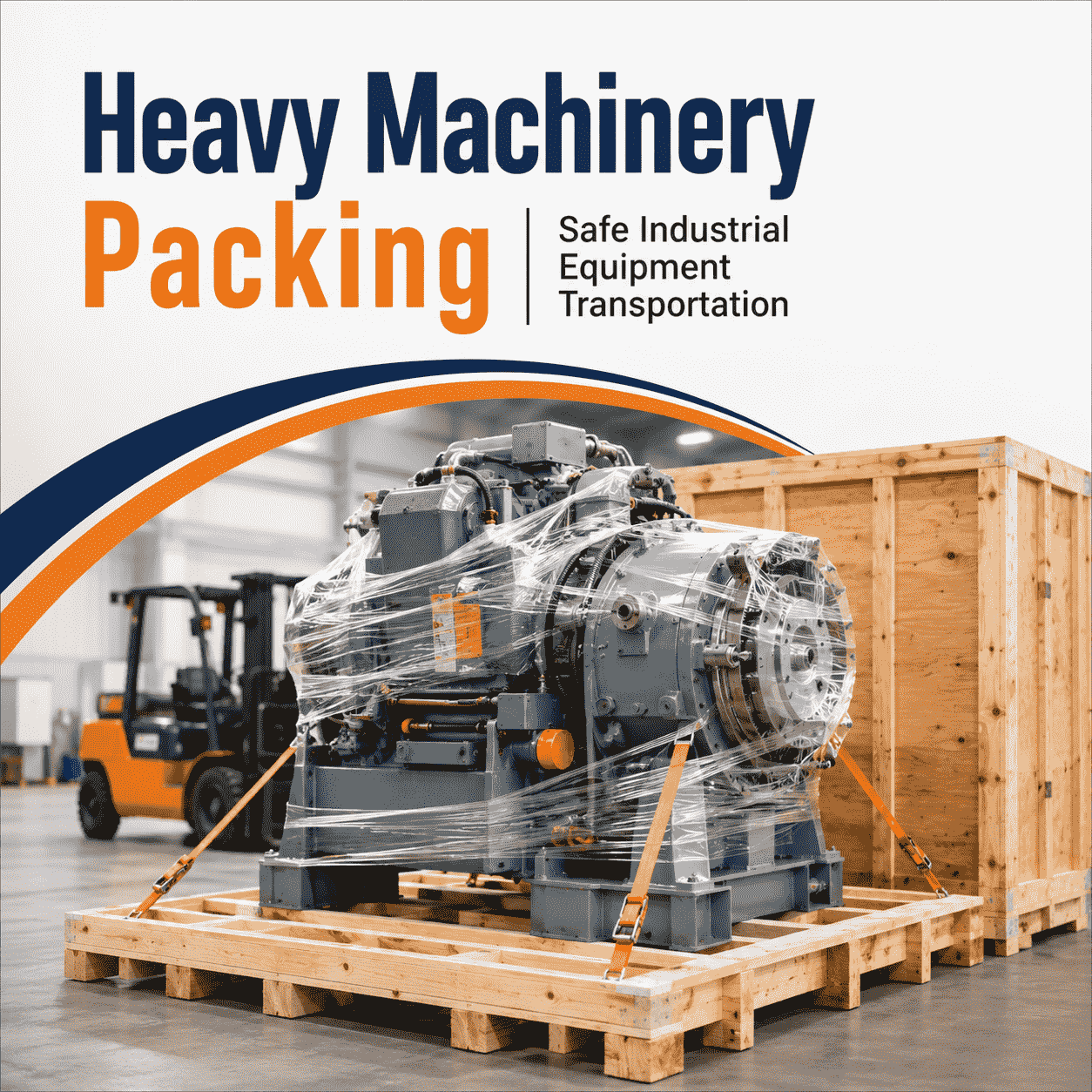
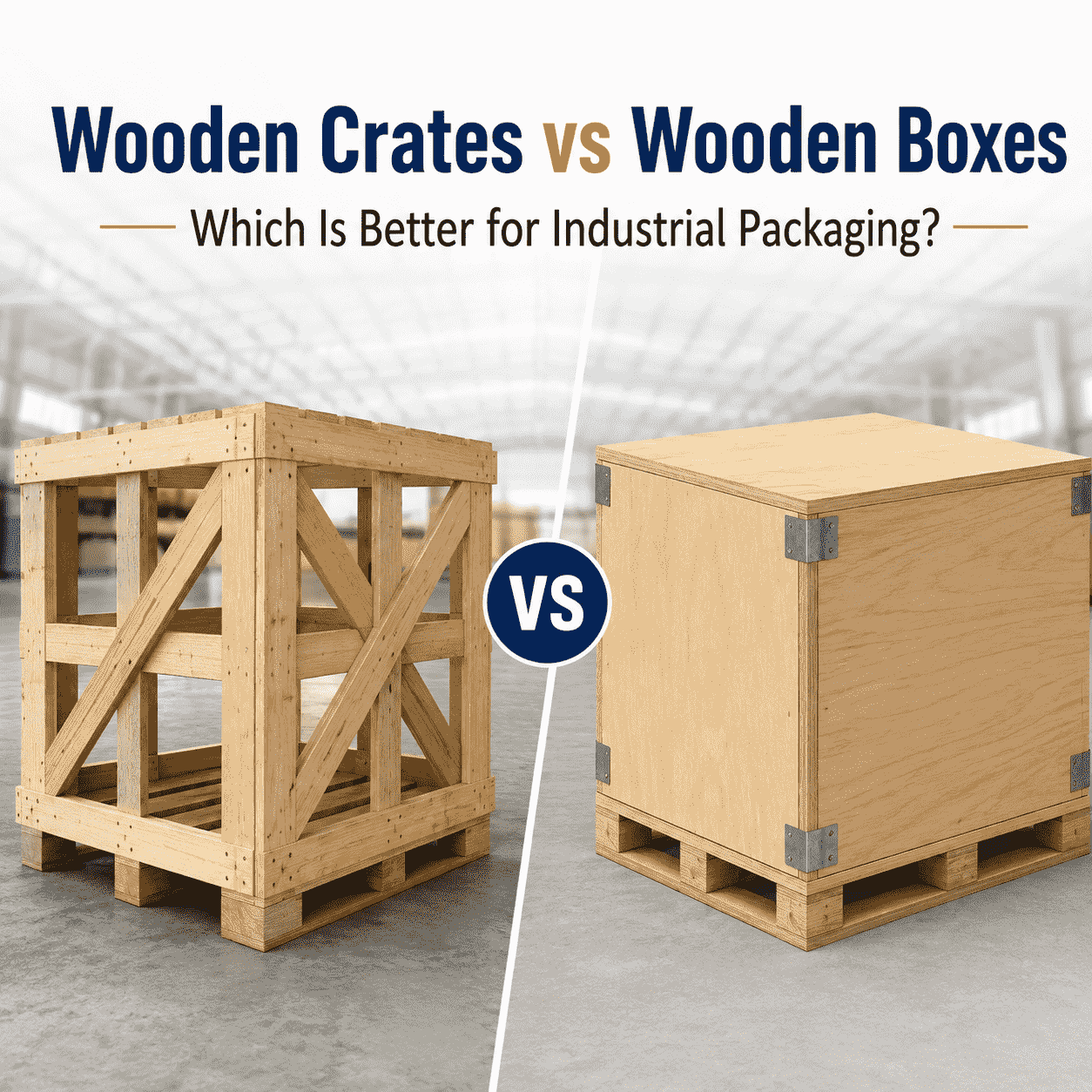
Wooden export crates are widely suitable for many types of industrial cargo. They can be customized according to the dimensions and weight of the product and may be designed to accommodate lifting and handling requirements.
Wooden crates can be useful for products such as:
- Heavy machinery
- Engineering equipment
- Generators
- Electrical equipment
- Automobile components
- Industrial machinery
- Mechanical components
- Large industrial assemblies
For oversized or heavy equipment, custom wooden crates can provide a practical external structure while allowing the packaging to be designed around the actual cargo.
What Makes Custom Wooden Crates Useful?
Industrial products often have unusual dimensions and different weight distributions. A standard-size crate may not provide the right fit for such products.
Custom wooden crates can be designed around:
- Length
- Width
- Height
- Weight
- Centre of gravity
- Lifting points
- Forklift access
- Base support
- Fastening requirements
This can help create packaging that fits the cargo more effectively and reduces unnecessary space.
Export Wooden Boxes
In some applications, an enclosed packaging structure may be more appropriate. Export wooden boxes can provide a closed external structure around the product and can be combined with internal protective materials when necessary.
Wooden boxes can be particularly useful when the product requires additional separation from dust, handling exposure, or other external conditions. The internal design may include suitable cushioning, blocking, wrapping, or other protective materials depending on the product.
Seaworthy Wooden Packaging
Sea transportation can involve long transit periods and exposure to changing environmental conditions. For appropriate cargo, seaworthy wooden packaging can be designed to support the requirements of marine transportation.
Important considerations may include:
- Packaging strength
- Product stability
- Moisture exposure
- Internal protection
- Container loading
- Cargo securing
- Handling requirements
- Transit duration
A seaworthy packaging solution should be selected according to the product and shipping conditions rather than using the same packaging method for every shipment.
ISPM 15 and Export Wooden Packaging
International shipments using solid wood packaging materials may be subject to phytosanitary requirements. ISPM 15 is an international standard concerning the treatment and marking of wood packaging material used in international trade.
Businesses exporting products should verify the applicable requirements for their shipment and destination country before preparing the final packaging. Compliance requirements can vary depending on the type of wood packaging material and destination regulations.
Protecting Machinery Against Moisture
Moisture can be an important concern when transporting industrial equipment internationally. Machinery may be exposed to humid environments during storage or transportation, particularly during long-distance shipments.
Depending on the product requirements, additional protective methods can be incorporated into the export packaging system.
These may include:
- Moisture barriers
- Protective wrapping
- Desiccant systems
- Vacuum packing
- Sealed packaging
- Appropriate external wooden protection
The exact method should be selected according to the equipment and transportation conditions.
Vacuum Packing for Export Cargo
Vacuum packing can provide an additional protective layer for suitable industrial products. By removing air from the packaging environment, vacuum packing can help protect certain products against moisture, dust, corrosion, and environmental exposure.
It can be particularly useful when sensitive machinery or components are being prepared for long-distance transportation. Vacuum packing can also be combined with wooden crates or wooden boxes to create a multi-layered packaging system.
VCI Packing for Metal Products
Metal components and machinery can be vulnerable to corrosion during transportation and storage. VCI packing, or Volatile Corrosion Inhibitor packing, can be used for suitable metal products where corrosion protection is required.
VCI materials release corrosion-inhibiting compounds that can help protect metal surfaces within an enclosed packaging environment. For industrial export shipments, VCI protection can be combined with other packaging methods according to the product's requirements.
Container Lashing and Choking
- Good packaging does not end when the wooden crate or box has been completed.
- For containerized shipments, cargo should also be properly positioned and secured inside the container.
Container lashing and choking can help stabilize heavy industrial cargo and reduce unwanted movement during transportation.
This can be particularly important for:
- Heavy machinery
- Large equipment
- Industrial components
- Engineering products
- Oversized cargo
- Machinery packed in wooden crates
The securing arrangement should consider the cargo's weight, dimensions, centre of gravity, and transportation conditions.
Internal Protection for Export Cargo
External wooden packaging provides structural protection, but some products may require additional internal protection.
Depending on the product, internal packaging can include:
- Cushioning materials
- Foam protection
- Wrapping
- Blocking
- Bracing
- Protective films
- Moisture barriers
- Corrosion protection materials
The purpose is to help keep the product stable and reduce unnecessary movement within the packaging.
Export Packaging for Heavy Machinery
Heavy machinery presents unique transportation challenges because of its size and weight. Before packaging begins, the machinery should be evaluated carefully.
Important information includes:
- Overall dimensions
- Gross weight
- Centre of gravity
- Lifting points
- Fragile components
- Moving parts
- Surface sensitivity
- Moisture sensitivity
- Corrosion risk
- Loading method
- Transportation route
This information can be used to develop a more appropriate heavy machinery export packing solution.
Export Packaging for Electrical Equipment
Electrical equipment may require additional attention because certain components can be sensitive to moisture, dust, vibration, or physical impact. Customized wooden boxes or crates can be combined with suitable internal protective materials depending on the equipment.
The packaging should provide adequate structural support while also considering the environmental requirements of the electrical product.
Export Packaging for Engineering Products
Engineering components can range from small precision parts to large industrial assemblies. Because of this wide variation, packaging requirements can differ significantly.
Industrial export packaging can be customized according to:
- Component size
- Weight
- Shape
- Fragility
- Surface finish
- Handling requirements
- Transportation method
This allows packaging to be developed according to the actual product rather than a generic format.
Industries That Use Export Wooden Packaging
Export wooden packaging can be useful across many industries, including:
- Engineering
- Automotive
- Manufacturing
- Heavy machinery
- Electrical equipment
- Industrial equipment
- Pharmaceuticals
- Mechanical industries
- Export businesses
- Logistics
Different industries may require different combinations of wooden crates, boxes, internal protection, moisture control, and cargo securing.
Step-by-Step Export Packing Process
A professional export packing process may involve the following stages.
Step 1: Product Assessment
The product is evaluated for dimensions, weight, shape, sensitivity, and handling requirements.
Step 2: Packaging Planning
The appropriate wooden crate, box, pallet, or combination of packaging methods is selected.
Step 3: Internal Protection
Suitable wrapping, cushioning, blocking, bracing, moisture protection, or corrosion protection can be added according to the cargo.
Step 4: Wooden Crating or Boxing
A customized wooden crate or box is constructed around the protected product.
Step 5: Marking and Identification
Appropriate cargo identification, handling instructions, and applicable export markings can be added.
Step 6: Loading
The packaged cargo is loaded using suitable handling equipment and procedures.
Step 7: Container Securing
For containerized shipments, lashing, choking, blocking, and other appropriate securing methods can be used.
Step 8: Final Inspection
The completed packaging and securing arrangement should be checked before dispatch.
How to Choose the Right Export Packaging Solution
There is no single packaging method that works for every export shipment.
Consider the following factors before selecting your packaging.
1. Product Weight
Heavy products require appropriate structural support and load-bearing capacity.
2. Product Dimensions
Oversized or irregularly shaped products generally require customized packaging.
3. Product Sensitivity
Fragile, precision, electrical, and moisture-sensitive products may require additional internal protection.
4. Transportation Method
Road, rail, air, and sea transportation can create different packaging requirements.
5. Destination
Destination-country regulations and import requirements should be considered before finalizing the packaging.
6. Environmental Conditions
Humidity, moisture, dust, temperature, and storage duration can influence packaging requirements.
7. Handling Requirements
Forklift access, lifting points, crane handling, and loading procedures should be considered during packaging design.
Common Export Packaging Mistakes to Avoid
Using Generic Packaging
Standard packaging may not provide the correct fit or support for heavy industrial products.
Ignoring Cargo Movement
Unsecured products can move inside packaging or containers during transportation.
Overlooking Moisture Protection
Long-distance transportation can expose products to humid or changing environments.
Ignoring Corrosion Risks
Metal equipment may require additional corrosion protection during transportation or storage.
Poor Container Securing
Even a well-built wooden crate can require additional securing once placed inside a shipping container.
Failing to Check Export Requirements
Wood packaging used in international trade may be subject to applicable regulations and treatment requirements.
Benefits of Professional Export Packaging
A professionally planned export packaging solution can provide several practical advantages.
Customized Protection
Packaging can be designed around the actual dimensions and characteristics of the cargo.
Improved Cargo Stability
Proper internal and external securing can help reduce unnecessary product movement.
Better Handling
Packaging can incorporate suitable provisions for forklifts, cranes, and other handling equipment.
Protection During Long-Distance Transportation
Additional packaging methods can help address moisture, dust, corrosion, and physical handling risks.
Export-Oriented Solutions
Packaging can be planned according to international transportation and applicable export requirements.
Why Customized Export Packaging Is Better Than One-Size-Fits-All Solutions
Industrial cargo varies significantly from one shipment to another. A small engineering component may require a completely different packaging approach from a multi-ton industrial machine.
This is why custom export packaging is often more practical. By considering the product's dimensions, weight, sensitivity, transportation method, and destination, packaging professionals can develop a solution that is better aligned with the shipment.
Professional Export Wooden Packaging by Impact Wood Packers
Impact Wood Packers provides industrial packaging solutions for machinery, equipment, engineering products, and export cargo. Its packaging services include solutions such as wooden crates, wooden boxes, vacuum packing, VCI packing, and other industrial packing requirements. The company also provides on-site industrial packing solutions for machinery and equipment, which can be useful when large or heavy products cannot easily be transported to a separate packaging facility.
For businesses handling industrial exports, customized packaging can help prepare valuable cargo for transportation while considering the requirements of the complete logistics journey.
Conclusion
Export wooden packaging is an essential consideration for businesses transporting industrial machinery, engineering equipment, electrical products, automobile components, and other valuable cargo internationally. Wooden export crates and boxes can provide structural protection, while additional solutions such as vacuum packing, VCI protection, internal cushioning, and container lashing can address specific transportation requirements. The most effective approach is to design the packaging around the product, transportation method, handling process, environmental conditions, and destination requirements.
Whether the shipment involves heavy machinery, engineering equipment, electrical components, or other industrial products, a carefully planned export packaging solution can provide a stronger foundation for safe and organized international transportation.
When industrial cargo needs to travel across borders, the right packaging is not just a container—it is part of the transportation strategy.