Wooden Crates vs Wooden Boxes | Which Is Better for Industrial Packaging?
Choosing the right packaging for industrial products is not always straightforward.
A common question among manufacturers, exporters, engineering companies, and logistics professionals is:
Should I use a wooden crate or a wooden box?
Both options can be useful, but they are designed to address different packaging requirements. The right choice depends on the product's size, weight, sensitivity, transportation method, handling requirements, and environmental exposure.
Understanding the difference between wooden crates and wooden boxes can help businesses select a more suitable industrial packaging solution.
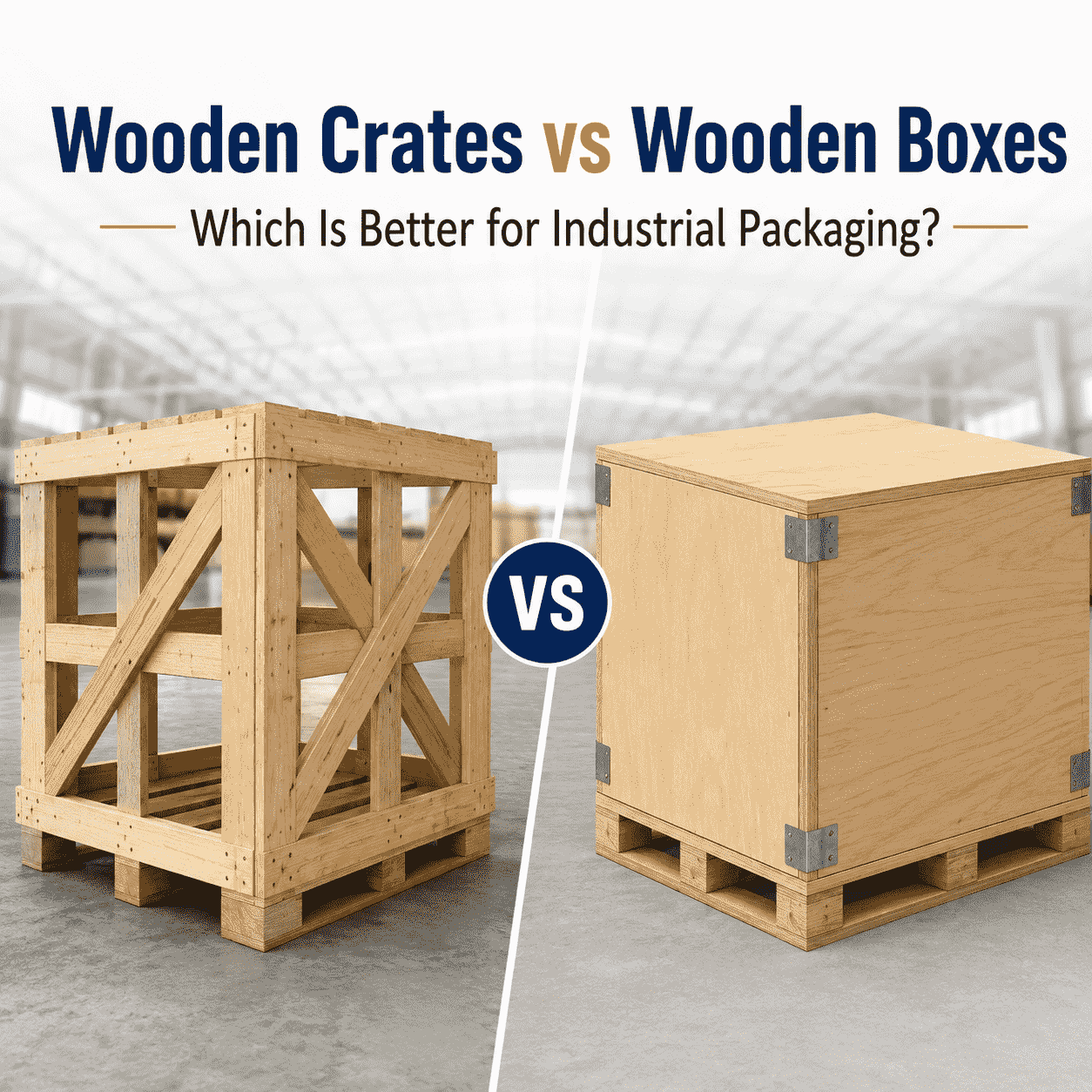
What Is a Wooden Crate?
A wooden crate is generally a rigid timber packaging structure that can feature an open-frame design. This type of packaging can provide structural support while allowing ventilation and easier visual inspection.
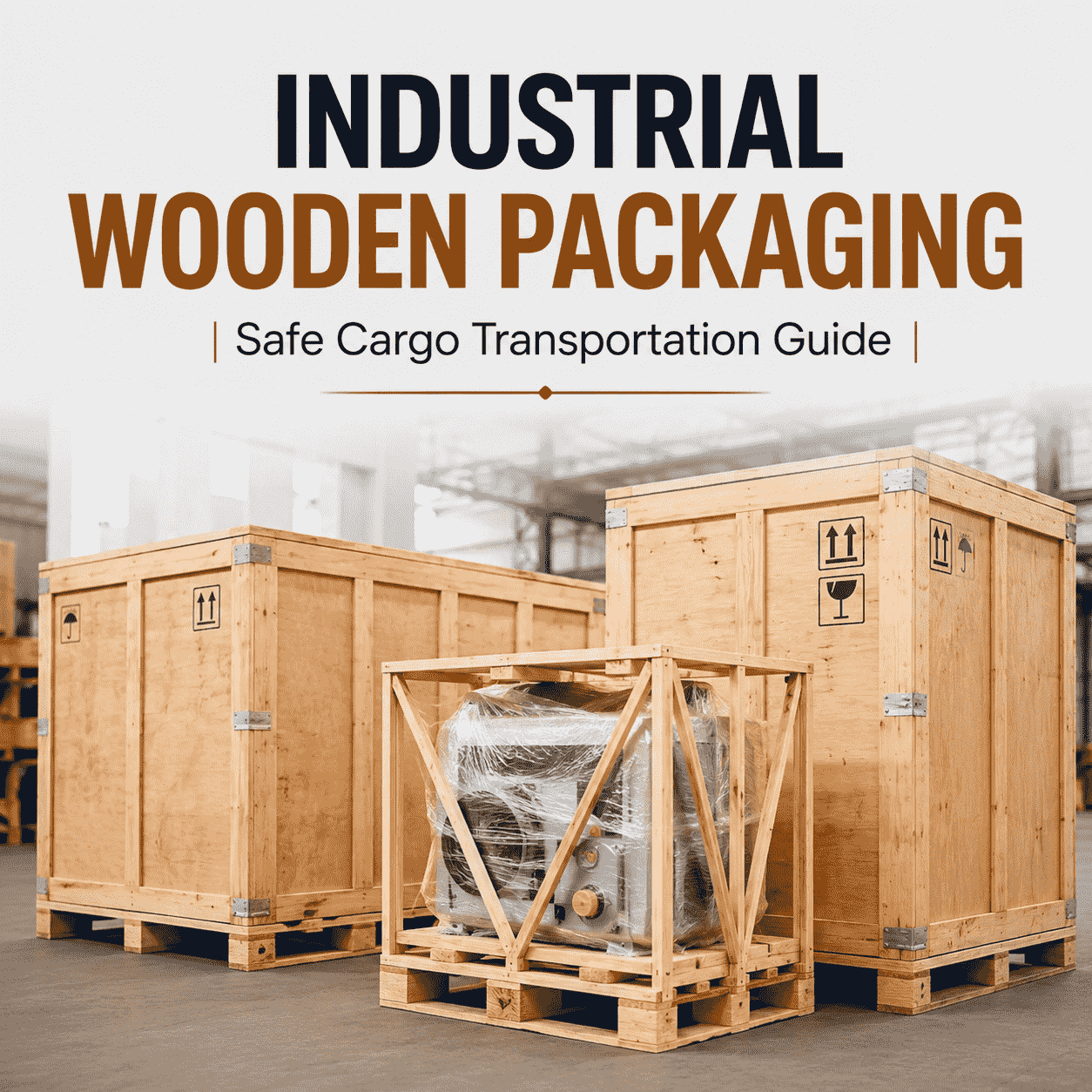
Impact Wood Packers describes its wooden crates as packaging solutions for heavy, oversized, and industrial products, including machinery, engineering equipment, automobile parts, electrical equipment, generators, and industrial components.
What Is a Wooden Box?
A wooden box is generally a more enclosed packaging structure. It can provide greater separation between the product and the external environment and can be combined with internal protective materials when required.
Wooden boxes can be customized according to the dimensions and handling requirements of the cargo.
Wooden Crates vs Wooden Boxes: Key Differences
| FeatureWooden CratesWooden Boxes | ||
|---|---|---|
| Structure | Often open-frame | Generally enclosed |
| Ventilation | Good | Limited |
| Product visibility | Easier | Lower |
| Dust protection | May need additional covering | Better enclosed protection |
| Heavy equipment | Highly suitable | Suitable |
| Customization | Available | Available |
| Forklift handling | Can be incorporated | Can be incorporated |
| Export applications | Suitable | Suitable |
| Internal protection | Can be added | Can be added |
When Should You Choose Wooden Crates?
A wooden crate may be suitable when the product is:
- Heavy
- Oversized
- Large in shape
- Suitable for open-frame protection
- Required to have ventilation
- Frequently inspected during handling
- Designed for forklift or lifting equipment handling
Open-frame construction can make inspection and handling more convenient.
When Should You Choose Wooden Boxes?
A wooden box may be a better option when:
- The product needs enclosed protection
- Dust exposure needs to be minimized
- Additional internal packaging is required
- The product has sensitive components
- The shipment requires an enclosed structure
- Environmental exposure needs to be reduced
The exact design should depend on the product rather than simply choosing a box because it appears more protective.
Custom Wooden Crates
Industrial products often have unusual dimensions.
A standard crate may therefore leave unnecessary space or fail to accommodate the product properly.
Custom wooden crates can be designed according to:
- Length
- Width
- Height
- Weight
- Load distribution
- Lifting points
- Handling method
- Transportation requirements
This can help create a packaging structure that is better suited to the actual cargo.
Custom Wooden Boxes
- The same principle applies to wooden boxes.
- A custom wooden box can be built around the dimensions and configuration of the product.
- For sensitive equipment, internal protective materials may also be incorporated into the packaging design.
- This can help prevent excessive movement inside the box during transportation.
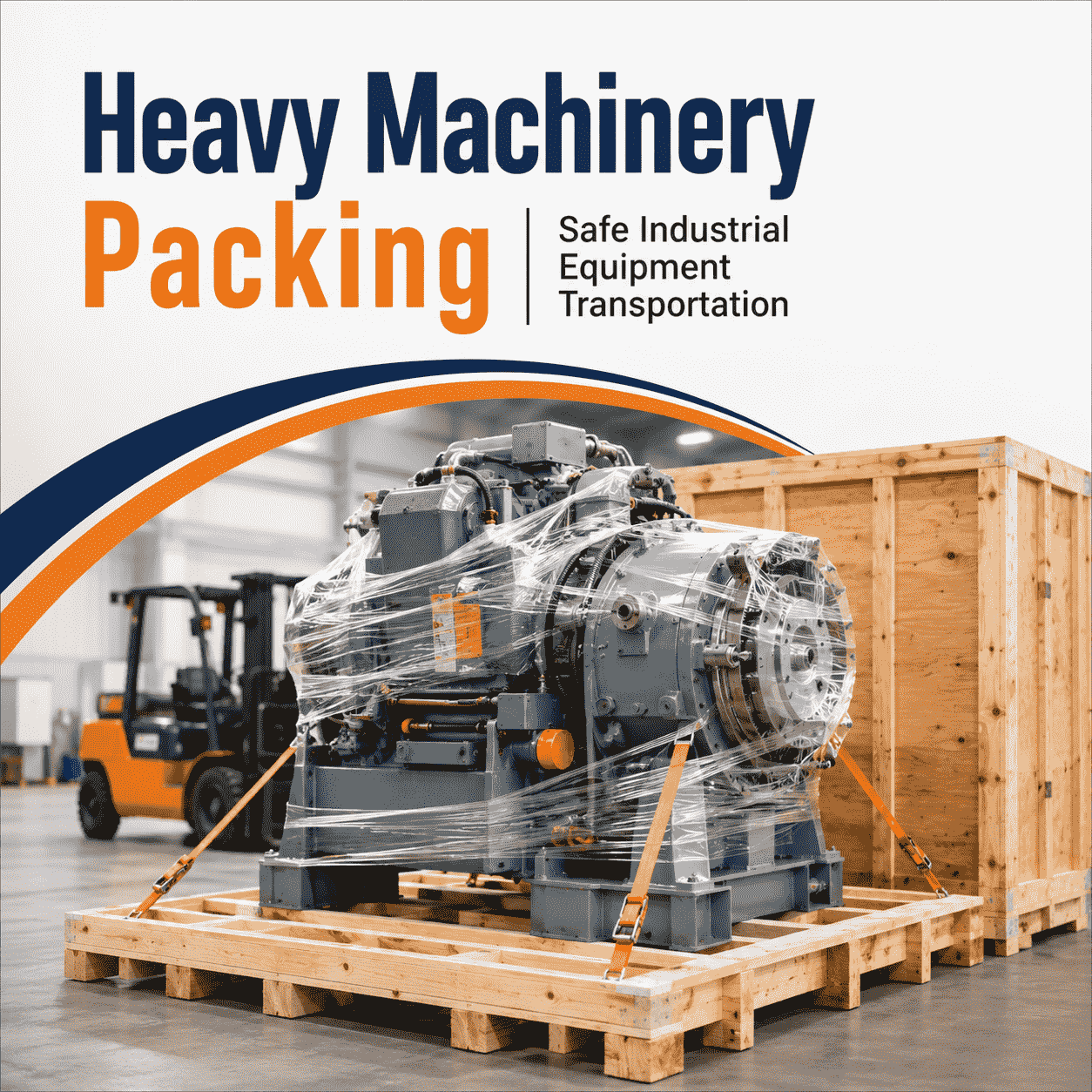
Wooden Crates for Heavy Machinery
- Heavy machinery requires packaging with suitable structural strength.
- The packaging design should take the machine's weight, centre of gravity, lifting points, and transportation method into account.
- Heavy machinery crates can be customized around these requirements instead of relying on a generic packaging format.
Wooden Packaging for Export
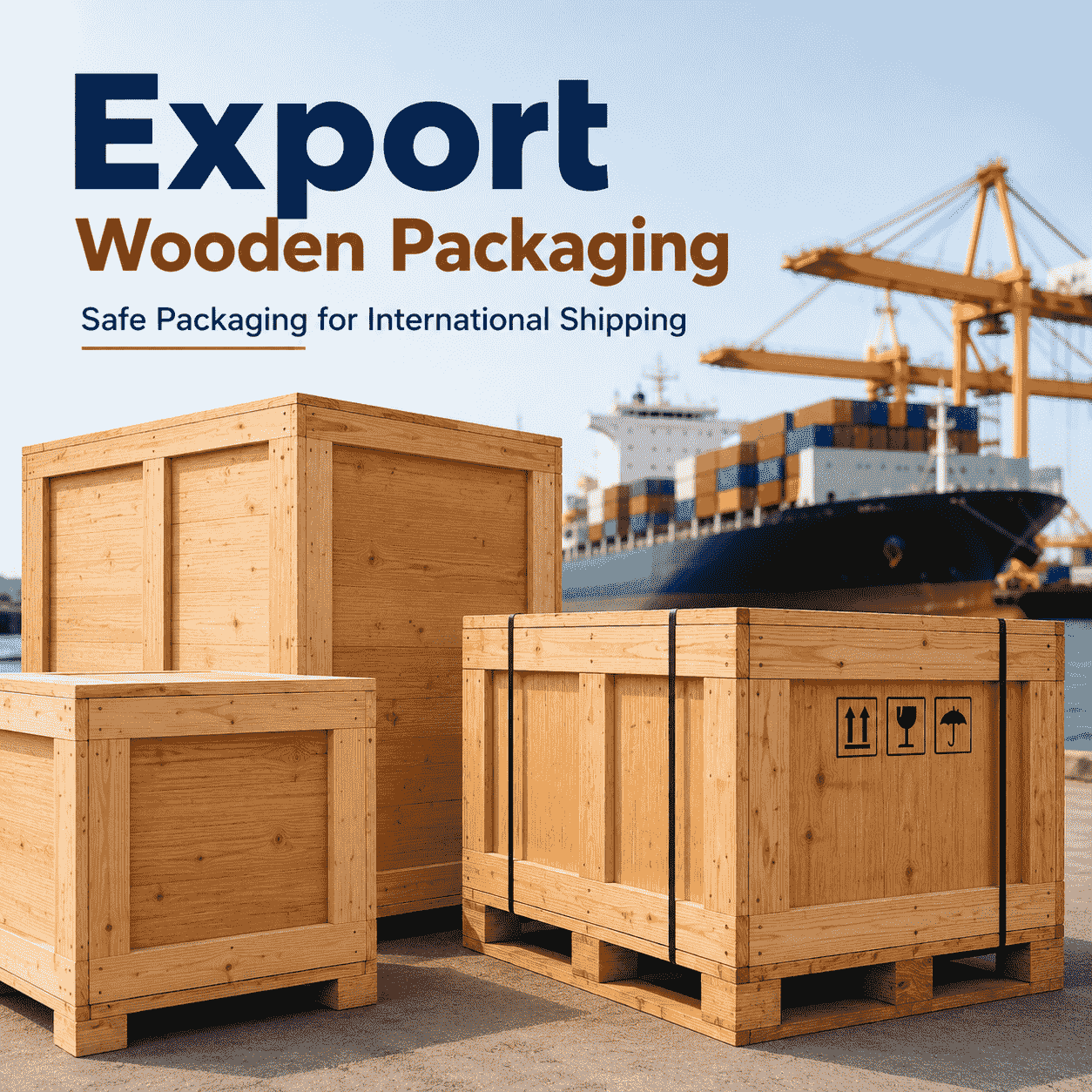
Both wooden crates and wooden boxes can be used for export applications. However, international transportation requires additional attention to applicable wood-packaging regulations, destination requirements, cargo securing, and transportation conditions. For export shipments, businesses should confirm applicable requirements before finalizing the packaging design.
Which Is More Cost-Effective?
There is no universal answer.
The cost of a wooden packaging solution can depend on:
- Product dimensions
- Product weight
- Wood quantity
- Packaging design
- Internal protection
- Labour
- Treatment requirements
- Quantity ordered
- Transportation requirements
A smaller open-frame crate may require less material in one application, while an enclosed box may be more practical for another.
The best packaging should therefore be evaluated based on the overall requirements rather than only the initial price.
Wooden Crates and Boxes for Different Industries
These packaging solutions can be used across industries such as:
- Engineering
- Automotive
- Manufacturing
- Electrical equipment
- Heavy machinery
- Industrial equipment
- Export businesses
- Logistics
Impact Wood Packers currently lists these types of industrial sectors among the industries it serves.
How to Choose Between a Wooden Crate and a Wooden Box
Ask the following questions before making the decision:
Does the product require ventilation?
If yes, an open-frame wooden crate may be appropriate.
Does the product require enclosed protection?
If yes, a wooden box may be more suitable.
Is the product oversized or extremely heavy?
A customized heavy-duty wooden crate or box may be required.
Is the shipment for export?
If yes, applicable export and wood-packaging requirements should be checked.
Does the product require moisture or corrosion protection?
Additional techniques such as vacuum packing or VCI packing may be considered depending on the product.
Final Recommendation
There is no single packaging solution that works for every industrial product. Wooden crates can be highly practical for heavy, oversized, and industrial products where structural support, ventilation, inspection, and handling are important.
Wooden boxes can be more appropriate when enclosed protection is a priority.
For complex industrial cargo, a customized packaging solution based on the product's actual requirements is usually the most practical approach.
Conclusion
The choice between wooden crates and wooden boxes should be based on cargo characteristics, not simply packaging preference.
Weight, dimensions, product sensitivity, transportation method, handling requirements, export conditions, and environmental exposure should all be evaluated before selecting the packaging structure.
With the right design, both wooden crates and wooden boxes can serve as reliable solutions for industrial packaging, machinery transportation, and export cargo.